
Virtual Ketamine Therapy vs In-Clinic Treatment: Which Is Right for You?
By Almadelic
Posted June 4, 2025
As ketamine therapy gains momentum in treating mental health conditions such as depression, anxiety, and PTSD, individuals now face an important decision: should they pursue virtual ketamine-assisted therapy from the comfort of home, or opt for traditional in-clinic treatment? Understanding the differences in cost, convenience, and outcomes can help you decide which path aligns best with your lifestyle and goals.
Convenience: The Comfort of Home vs. Structured Clinical Setting for Ketamine Treatments
Virtual Ketamine-Assisted Therapy:
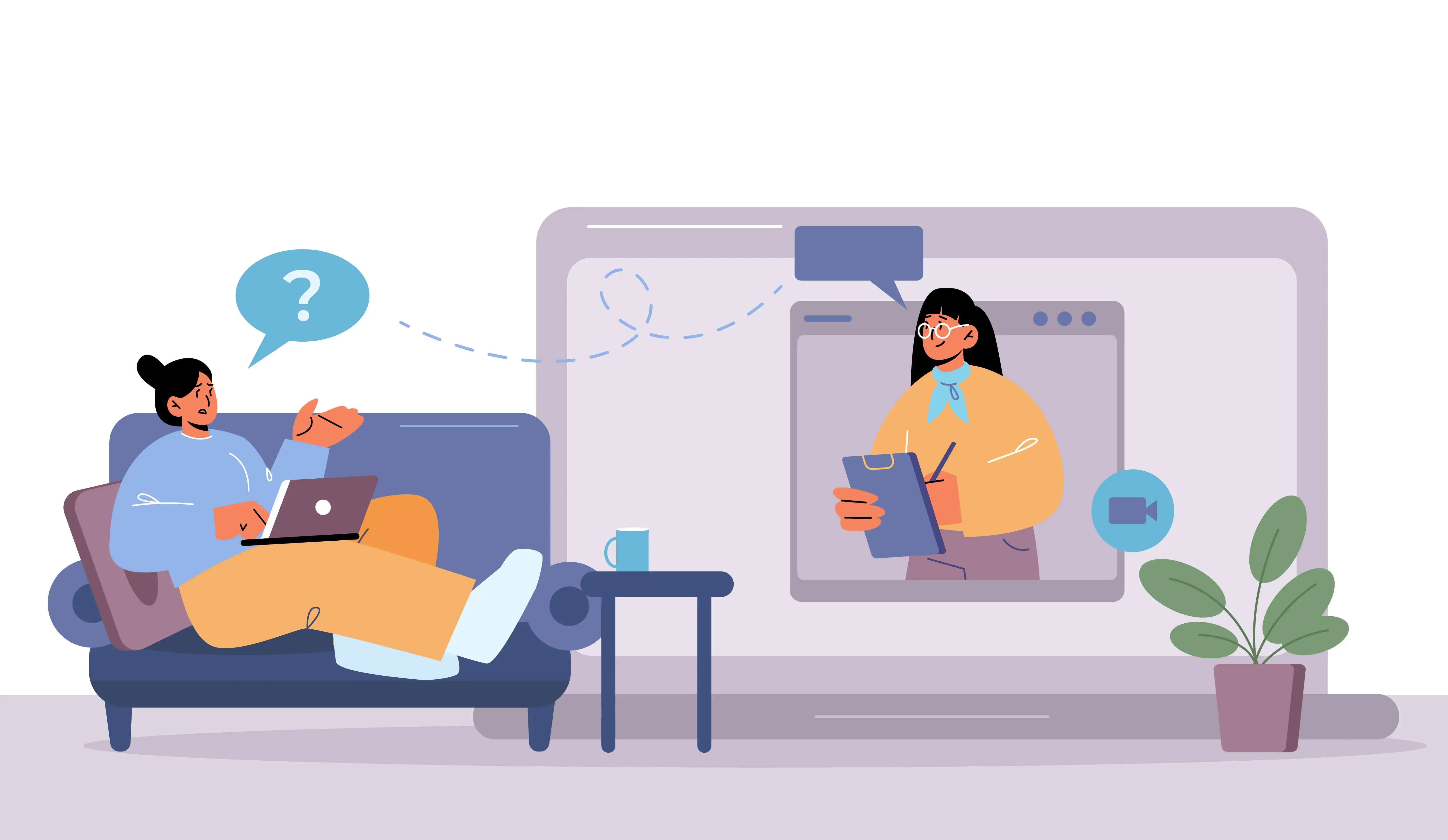
At-home ketamine therapy allows patients to receive care without leaving their home. Platforms like Almadelic offer initial medical evaluations, guided sessions, and follow-ups via telehealth, making it ideal for those with mobility issues, busy schedules, or remote locations. This model minimizes disruption to daily routines, which is particularly valuable for working professionals, parents, and individuals with transportation challenges.
In-Clinic Treatment:
Clinical treatments offer a highly structured setting with direct medical supervision. Clinics typically administer ketamine via intravenous (IV) or intramuscular (IM) routes, allowing clinicians to monitor real-time physiological responses. While this can provide a heightened sense of security and precision, it also requires travel, time off work, and scheduling around clinic availability.
According to Ketamine.net, virtual therapy offers flexibility that’s especially appealing to people managing chronic mental health conditions or those balancing caregiving responsibilities.
Outcomes: Effectiveness & Monitoring
Virtual Ketamine Therapy Effectiveness:
Recent research supports the effectiveness of at-home ketamine therapy. A 2022 study published in the Journal of Affective Disorders found that sublingual ketamine via telehealth significantly reduced symptoms of depression and anxiety, with outcomes comparable to in-clinic intravenous treatments. This study followed over 1,200 participants and reported high safety and satisfaction ratings, with many patients preferring the home environment for its calming effects (PubMed).
In-Clinic Ketamine Treatment Effectiveness:
In-clinic ketamine therapy remains the gold standard for patients with severe, treatment-resistant depression or comorbidities requiring in-person monitoring. IV infusions allow for tight control of dosage and immediate intervention if adverse effects occur. Clinics also often provide immediate access to licensed therapists and integration support, which can improve treatment outcomes.
While both methods show strong efficacy, patient selection is key. Individuals who value structured settings or require more intensive care may benefit from clinical administration, whereas others may thrive in the comfort and privacy of their homes.
Cost: What’s the Financial Impact?
At-Home Ketamine Therapy Cost:
Virtual ketamine therapy is generally more affordable than in-clinic options. Without the overhead costs of physical locations, specialized medical equipment, and on-site staff, platforms like Almadelic can offer bundled pricing that includes evaluations, medication, integration coaching, and ongoing support. Patients can expect to pay between $150 and $300 per session, depending on the package and duration of care.
In-Clinic ketamine Treatment Cost:
In-office ketamine sessions are more resource-intensive and are priced accordingly. According to Bespoke Treatment, clinic sessions can range from $400 to $800 per visit, often excluding integration services or psychological support. Patients may also incur costs for transportation and lost income due to time off work.
Insurance coverage for both modalities remains limited, although some providers are beginning to reimburse for mental health treatments involving ketamine, especially when administered under clinical supervision.
Therapeutic Environment & Support
At-Home Ketamine Therapy:
Patients undergoing virtual ketamine-assisted therapy must take responsibility for creating a safe and supportive environment. Almadelic, for instance, provides pre-session coaching on how to prepare—recommending dim lighting, calming music, and having a trusted friend or family member nearby. This personalized environment can enhance therapeutic outcomes and reduce anxiety during sessions.
In-Clinic Ketamine Treatment:
Clinics are designed to offer serene, controlled environments conducive to psychedelic therapy. Many include private rooms, calming aesthetics, and the presence of licensed mental health professionals who can guide the session. For those who may experience apprehension or psychological distress, the presence of trained staff can be reassuring.
Accessibility & Scalability
Virtual Ketamine Therapy:
The expansion of telehealth has made at-home ketamine therapy accessible to a wider population, including those in rural or underserved areas. It removes geographic barriers and allows for scalable mental health support. Almadelic currently serves patients in Colorado, Ohio, and Florida, helping bridge gaps in local mental health services.
In-Clinic Ketamine Therapy:
Access to clinic-based treatment may be limited by location, especially in states or regions without dedicated psychedelic therapy centers. Waiting lists, travel time, and limited provider availability can pose significant hurdles for individuals seeking timely care.
Which Option Is Right for You?
Choosing between virtual and in-clinic ketamine therapy depends on your health needs, personal preferences, and lifestyle. Virtual ketamine-assisted therapy offers flexibility, affordability, and privacy, making it a great option for many. In contrast, in-clinic treatment provides a high-touch, medically supervised experience ideal for complex cases or those seeking structured support.
At Almadelic, we believe in empowering individuals to make informed choices. Our at-home ketamine therapy program is designed to deliver high-quality, evidence-based care that meets you where you are—both literally and emotionally.