
New Research: How Ketamine Creates Lasting Changes in Brain Plasticity (2025 Studies)
By Almadelic
Posted October 21, 2025
For decades, scientists and mental health professionals struggled to explain why traditional antidepressants took weeks to work—and why they didn't work at all for approximately one-third of patients with depression. Then ketamine entered the picture, producing remarkable results that seemed almost impossible: patients experiencing relief from severe depression within hours, not weeks, with effects that could last for days or even weeks after a single treatment.
How does ketamine therapy work so differently from conventional antidepressants? The answer lies in a fundamental property of the brain called neuroplasticity—the brain's ability to reorganize itself by forming new neural connections. Recent research, including groundbreaking studies published in 2024 and 2025, has revealed that ketamine doesn't just temporarily mask depression symptoms. Instead, it triggers a cascade of biological processes that actually rebuild and strengthen the neural circuits damaged by depression and chronic stress.
Understanding how ketamine creates these lasting brain changes helps demystify this innovative treatment and reveals why it represents such a significant advancement in mental health care. Whether you're considering ketamine therapy for yourself or simply curious about the neuroscience behind this breakthrough treatment, this guide will walk you through the latest research in accessible terms—no neuroscience degree required.
Understanding Neuroplasticity: Your Brain's Ability to Change
Before diving into how ketamine affects the brain, it's essential to understand what neuroplasticity is and why it matters for mental health.
What Is Neuroplasticity?
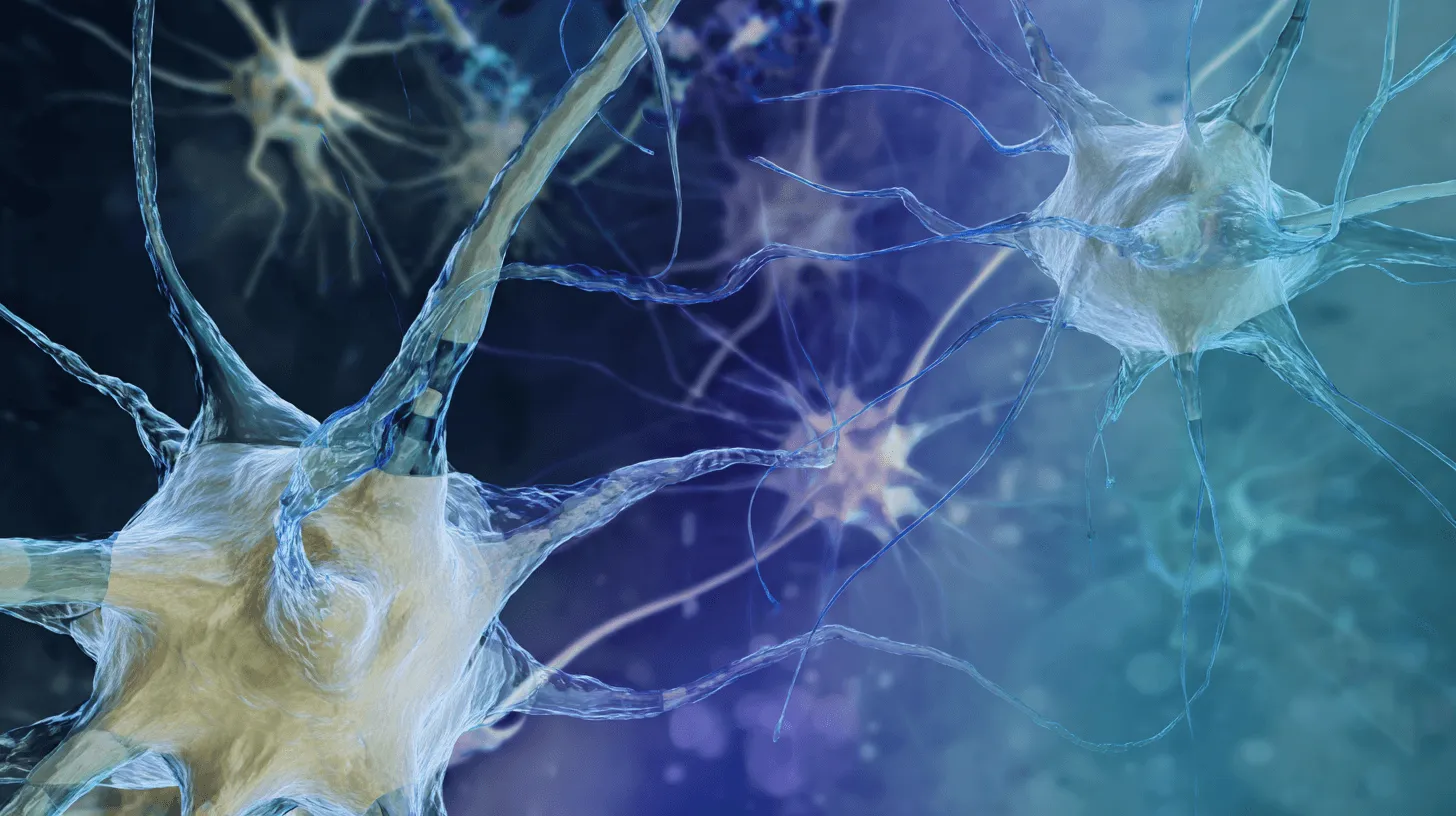
Neuroplasticity refers to the brain's remarkable ability to reorganize itself by forming new neural connections throughout life. This isn't just about learning new skills or remembering information—it's about the brain's fundamental capacity to adapt its structure and function in response to experiences, environment, and even injury.
Think of your brain as a vast network of roads connecting different cities (brain regions). Neuroplasticity is like having the ability to:
- Build new roads where none existed before
- Widen highways that get used frequently
- Let unused paths become overgrown
- Create detours around damaged areas
- Strengthen bridges that connect important destinations
This constant remodeling happens through changes at the level of synapses—the tiny gaps where neurons communicate with each other. Every thought, emotion, and behavior involves signals traveling across these synaptic connections.
Why Neuroplasticity Matters for Depression
Depression isn't simply a chemical imbalance, as once popularly believed. Modern neuroscience reveals that depression involves actual structural changes in the brain. Chronic stress and depression cause:
- Synaptic loss: The connections between neurons weaken and disappear
- Neuronal atrophy: Brain cells literally shrink, particularly in regions like the prefrontal cortex and hippocampus
- Reduced connectivity: Different brain regions communicate less effectively
- Impaired neurogenesis: The brain produces fewer new neurons
These physical changes manifest as the symptoms we recognize as depression: difficulty concentrating, lack of motivation, inability to experience pleasure, persistent negative thoughts, and emotional numbness.
Traditional antidepressants work slowly because they gradually increase neurotransmitter levels (like serotonin), which eventually—over weeks—can promote neuroplasticity. Ketamine, however, takes a dramatically different approach.
How Ketamine Therapy Works: The Neuroplasticity Mechanism
Recent research has illuminated the precise mechanisms through which ketamine promotes rapid and sustained improvements in depression. The process is both elegant and complex, involving multiple biological systems working in concert.
The NMDA Receptor Blockade: Starting the Cascade
Ketamine is primarily known as an NMDA receptor antagonist, meaning it blocks these specific receptors on neurons. But this initial action is just the first domino in a remarkable chain reaction.
What happens at the cellular level:
When ketamine blocks NMDA receptors, it specifically targets those on GABAergic interneurons—cells that normally inhibit other neurons. By reducing the activity of these "brake" neurons, ketamine essentially releases the accelerator on glutamatergic pyramidal neurons, the brain's primary excitatory cells.
This disinhibition leads to a rapid burst of glutamate release in key brain regions, particularly the prefrontal cortex. This glutamate surge is crucial—it's the signal that kicks off the neuroplasticity cascade.
The BDNF Connection: Brain's Growth Factor Surge
One of the most significant discoveries in ketamine research involves Brain-Derived Neurotrophic Factor (BDNF). This protein acts like fertilizer for neurons, promoting their growth, survival, and the formation of new connections.
Recent findings on BDNF and ketamine:
A 2024 systematic review published in the International Journal of Molecular Sciences examined BDNF's role in ketamine's antidepressant mechanisms. The research confirms that ketamine rapidly increases BDNF levels in critical brain regions, particularly the prefrontal cortex and hippocampus—areas severely affected by depression.
The study revealed that:
- Ketamine triggers BDNF release within hours of administration
- This BDNF increase correlates directly with antidepressant response
- Higher BDNF levels at 240 minutes post-infusion predict better treatment outcomes days later
- The effect is specific to therapeutic doses—higher doses don't produce the same beneficial neuroplasticity
How BDNF creates lasting changes:
BDNF doesn't work alone. Once released, it binds to TrkB receptors on neurons, triggering a cascade of intracellular events:
- mTOR pathway activation: This cellular signaling pathway ramps up protein synthesis
- Synaptic protein production: The cell manufactures proteins needed to build and strengthen connections
- Dendritic spine growth: New spines—the tiny protrusions where synapses form—rapidly appear on neurons
- Enhanced synaptic transmission: Existing connections become stronger and more efficient
A May 2023 study published in Translational Psychiatry used advanced brain imaging (diffusion tensor imaging) to actually visualize these microstructural changes in human patients receiving ketamine. Within just 24 hours of a single ketamine infusion, researchers documented measurable changes in gray matter microstructure in regions including the prefrontal cortex and amygdala—physical evidence of rapid neuroplasticity in action.
The Critical Time Window: When Plasticity Peaks
Understanding when the brain is most plastic after ketamine treatment has important therapeutic implications. Research shows a specific timeline:
- 24 hours post-treatment: Neuroplasticity effects begin
- 72 hours: Peak plasticity window
- Up to 3 weeks: Enhanced plasticity continues
This window represents a unique opportunity. During this period, the brain is more receptive to forming new patterns, learning new coping strategies, and breaking free from entrenched negative thought cycles. This is why integration therapy—working with a therapist to process insights and practice new behaviors—is so valuable during this neuroplastic window.
The Synaptogenesis Story: Building New Connections
Perhaps the most visually striking aspect of ketamine's neuroplasticity effects is synaptogenesis—the formation of entirely new synapses between neurons.
Dendritic Spines: The Physical Basis of Connection
Synapses don't form in empty space. They occur at specialized structures called dendritic spines—tiny mushroom-shaped protrusions on dendrites (the branch-like extensions of neurons that receive signals).
Depression and chronic stress cause dendritic spine loss. Neurons literally lose these connection points, reducing their ability to communicate. A 2024 study in Neuropsychopharmacology used advanced imaging techniques to watch this process in real-time, discovering that:
- Under normal conditions, new dendritic spines form 20-25% of the time when neurons are stimulated
- After ketamine administration, this rate increases dramatically within hours
- The effect peaks between 12-24 hours post-treatment
- New spines persist for days to weeks, providing a structural basis for lasting symptom relief
Region-Specific Effects: Where Changes Happen
Ketamine doesn't affect the entire brain equally. Research identifies specific regions where neuroplasticity is most pronounced:
Prefrontal Cortex: This region, critical for executive function, decision-making, and emotion regulation, shows robust spine formation after ketamine. The prefrontal cortex is particularly affected by depression, and its restoration is linked to improvements in motivation, concentration, and emotional control.
Hippocampus: Essential for memory and emotional processing, the hippocampus undergoes significant neuroplastic changes with ketamine, including enhanced neurogenesis (birth of new neurons).
Amygdala: This emotion-processing center shows structural plasticity that may help explain ketamine's effects on anxiety and emotional reactivity.
What Makes Ketamine Different: Comparing Mechanisms
Traditional Antidepressants vs. Ketamine
Traditional SSRIs and SNRIs work through a fundamentally different mechanism:
Traditional antidepressants:
- Increase serotonin/norepinephrine gradually over weeks
- Eventually trigger BDNF increase
- Slowly promote neuroplasticity
- Require continuous daily dosing
- Work for about 65% of patients
Ketamine:
- Acts on glutamate system immediately
- Triggers rapid BDNF surge within hours
- Produces fast neuroplastic changes
- Can provide sustained relief from intermittent dosing
- Effective in 70-80% of treatment-resistant cases
This comparison helps explain why ketamine is particularly valuable for treatment-resistant depression—it represents an entirely different therapeutic approach rather than simply being "stronger" than conventional antidepressants.
The Dose-Dependent Effect: Why More Isn't Better
Fascinating research reveals that ketamine's neuroplasticity effects are dose-dependent—but not in the way you might expect. A 2019 study in Behavioural Brain Research found that low doses of ketamine (5 mg/kg in animal models, equivalent to sub-anesthetic doses in humans) rapidly increase BDNF expression and promote synaptogenesis.
However, higher doses (20-50 mg/kg) actually curtail these beneficial effects. The research showed that:
- Low doses produce antidepressant responses and molecular changes
- Higher doses impair the same signaling pathways
- The sweet spot for neuroplasticity is the sub-anesthetic range used in therapy
This explains why recreational ketamine use (typically much higher doses) doesn't produce therapeutic benefits and why medical supervision ensuring appropriate dosing is crucial.
Real-World Implications: What This Research Means for Treatment
Understanding ketamine's neuroplasticity mechanisms isn't just academic—it has direct implications for how treatment is structured and optimized.
Maximizing the Neuroplastic Window
Knowing that enhanced plasticity peaks 24-72 hours after treatment suggests specific strategies:
Therapeutic engagement: Scheduling therapy sessions during the peak plasticity window may enhance their effectiveness. Many clinics now offer integration sessions timed to coincide with maximum neuroplastic potential.
Environmental considerations: The environment during the plasticity window matters. Supportive, low-stress surroundings may allow the brain to form healthier patterns, while stressful environments could potentially reinforce negative patterns.
Cognitive training: Some research suggests pairing ketamine with specific cognitive exercises during the plasticity window can extend antidepressant effects. A randomized trial found that combining ketamine with automated cognitive training extended relief for at least 30 days.
Personalization Based on BDNF Response
Emerging research suggests BDNF levels may serve as a biomarker for treatment response. Studies show that patients who respond well to ketamine tend to show larger increases in plasma BDNF levels, with these changes correlating with symptom improvement.
This discovery opens the possibility of:
- Predicting which patients will respond best
- Adjusting treatment protocols based on individual BDNF responses
- Monitoring treatment effectiveness through biomarkers
The Sustained Effect Mystery: Why Benefits Last
One of ketamine's most remarkable features is that its antidepressant effects outlast the drug's presence in the body by days or weeks. Neuroplasticity research explains this phenomenon:
The structural changes—new synapses, strengthened connections, enhanced BDNF signaling—persist after ketamine is metabolized. You're not dependent on continuous drug presence; rather, the treatment initiates changes that the brain maintains through its own mechanisms.
Almadelic's Research-Informed Approach
At Almadelic, understanding the neuroscience behind ketamine therapy directly informs our treatment protocols. We structure our programs to maximize the neuroplastic benefits research has revealed.
Evidence-Based Protocols
Our treatment approach incorporates findings from the latest neuroplasticity research:
Optimal dosing: We use precisely calibrated sub-anesthetic doses shown to maximize BDNF release and synaptogenesis while minimizing side effects.
Strategic timing: Treatment schedules account for the neuroplastic window, with integration support timed to coincide with peak brain plasticity.
Comprehensive care: Understanding that environmental factors influence neuroplastic outcomes, we emphasize creating supportive conditions during and after treatment.
Integration Support
Knowing that the 24-72 hour window represents peak neuroplasticity, Almadelic emphasizes integration therapy during this critical period. This approach helps patients:
- Process insights and experiences from treatment
- Practice new thought patterns while the brain is most receptive
- Establish healthier behaviors that become reinforced through ongoing plasticity
- Build coping strategies that leverage the brain's enhanced adaptability
Individualized Treatment
No two brains respond identically. Research showing individual variations in BDNF response and neuroplastic changes informs our personalized approach to:
- Initial dose selection
- Treatment frequency
- Integration support intensity
- Long-term maintenance planning
The Future of Neuroplasticity-Based Treatments
Current research opens exciting possibilities for enhancing ketamine therapy and developing new treatments based on neuroplasticity mechanisms.
Combination Approaches
Studies are exploring whether pairing ketamine with other interventions during the neuroplastic window produces synergistic effects:
- Specific types of psychotherapy
- Cognitive training programs
- Transcranial magnetic stimulation
- Other plasticity-promoting interventions
Novel Compounds
Understanding ketamine's neuroplasticity mechanisms has inspired development of new compounds designed to produce similar benefits with potentially fewer side effects. Researchers are investigating:
- Ketamine metabolites (like hydroxynorketamine) that may produce plasticity without dissociative effects
- Other NMDA modulators with improved profiles
- Drugs targeting downstream pathways (mTOR, BDNF-TrkB) more selectively
Predictive Biomarkers
Future treatment may include:
- Pre-treatment BDNF assessment to predict response
- Real-time monitoring of neuroplasticity markers
- Personalized dosing based on individual neuroplastic capacity
Understanding the Science Empowers Better Treatment Decisions
Ketamine therapy represents one of the most significant breakthroughs in depression treatment precisely because it works through neuroplasticity—addressing the structural and functional brain changes that underlie depression rather than simply managing neurotransmitter levels.
The 2024 and 2025 research we've explored reveals an increasingly clear picture: ketamine triggers a cascade of biological events—NMDA receptor blockade, glutamate surge, BDNF release, mTOR activation, and synaptogenesis—that rapidly restore the neural connections depression erodes.
This isn't temporary symptom masking. It's neurological renovation, rebuilding the brain's capacity for healthy thoughts, emotions, and behaviors. The evidence from brain imaging, molecular studies, and clinical trials consistently shows that these changes are real, measurable, and can provide sustained relief.
For those considering ketamine therapy, understanding these mechanisms provides confidence that the treatment is grounded in solid neuroscience. For those already in treatment, this knowledge illuminates why integration work matters, why timing of sessions affects outcomes, and why the effects can last well beyond the immediate treatment period.
As research continues to refine our understanding of neuroplasticity, ketamine therapy will likely become even more effective, personalized, and accessible—offering hope to millions who haven't found relief through conventional approaches.
Frequently Asked Questions
How quickly does ketamine start changing brain plasticity?
Neuroplastic changes begin within hours of ketamine administration. BDNF levels increase within 2-4 hours, dendritic spine formation peaks at 12-24 hours, and the enhanced plasticity window continues for up to 3 weeks.
Are the brain changes from ketamine permanent?
The new synapses and connections formed during ketamine treatment can persist, but maintaining them often requires either periodic maintenance treatments or ongoing therapeutic work to reinforce healthy patterns. Think of it like building muscle—the gains are real but require some maintenance.
Does ketamine therapy work for everyone?
While ketamine has much higher response rates (70-80%) than traditional antidepressants, particularly for treatment-resistant depression, individual variations in BDNF response and neuroplastic capacity mean not everyone responds equally. Research into predictive biomarkers may eventually help identify ideal candidates.
Can lifestyle factors enhance ketamine's neuroplastic effects?
Yes. Exercise, adequate sleep, stress management, and supportive relationships all independently promote neuroplasticity and BDNF production. These factors may synergize with ketamine therapy, potentially enhancing and extending its benefits.
Why do some people need maintenance treatments while others have lasting effects?
Individual variations in neuroplasticity, underlying disease severity, environmental stressors, and genetic factors all influence how long ketamine's benefits persist. Some people maintain structural changes with minimal support, while others benefit from periodic treatments to reinforce neuroplastic gains.
Sources
- Pardossi, S., Fagiolini, A., & Cuomo, A. (2024). Variations in BDNF and Their Role in the Neurotrophic Antidepressant Mechanisms of Ketamine and Esketamine: A Review. International Journal of Molecular Sciences, 25(23), 13098. https://doi.org/10.3390/ijms252313098
- Aleksandrova, L. R., Phillips, A. G., & Wang, Y. T. (2023). Rapid neuroplasticity changes and response to intravenous ketamine: a randomized controlled trial in treatment-resistant depression. Translational Psychiatry, 13, 172. https://doi.org/10.1038/s41398-023-02451-0
- Cavalleri, L., et al. (2024). Ketamine induced synaptic plasticity operates independently of long-term potentiation. Neuropsychopharmacology, 49, 1895-1902. https://doi.org/10.1038/s41386-024-01895-2
- Kang, M. J. Y., Hawken, E., & Vazquez, G. H. (2022). The Mechanisms Behind Rapid Antidepressant Effects of Ketamine: A Systematic Review With a Focus on Molecular Neuroplasticity. Frontiers in Psychiatry, 13, 860882.