

What is Ketamine Assisted Therapy (KAT)?
Ketamine Assisted Therapy (KAT), also referred to as Ketamine Psychedelic Therapy (KPT), is a form of psychotherapy that incorporates the controlled and supervised use of ketamine, a dissociative anesthetic, to facilitate therapeutic breakthroughs. Unlike traditional talk therapy alone, KAT or KPT combines psychological support with the administration of ketamine to enhance the therapeutic process.
Ketamine, when administered in a controlled and therapeutic setting, can induce altered states of consciousness that may lead to profound psychological insights and experiences. During a ketamine psychedelic therapy session, individuals typically receive a predetermined dosage of ketamine, often guided by a trained guide, therapist or healthcare professional. The therapist or guide then provides support and guidance as the individual explores their thoughts, emotions, and memories.

How Ketamine Assisted Therapy
Improves Mental Health
Ketamine psychedelic therapy has shown promise in treating various mental health conditions, including depression, anxiety, post-traumatic stress disorder (PTSD), and chronic pain. Research suggests that ketamine may impact certain neurotransmitter systems in the brain, leading to rapid and robust therapeutic effects.
As explained by John Krystal, MD, chair of the Yale School of Medicine Department of Psychiatry, when someone has depression, there are changes in the brain’s circuitry, including how neurons communicate with one another allowing for a regrowth of synapses (connections between neurons).
It's important to note that ketamine-assisted therapy can only be administered by qualified and licensed professionals to qualified patients. Patients should be monitored to ensure safety and efficacy. The approach is still evolving, and ongoing research aims to further understand its mechanisms and potential applications in mental health treatment.
How Does Ketamine Assist in Mental Health?
Unearthing Unconscious Experiences
Ketamine's dissociative properties bring buried emotions and memories to the surface, allowing therapists and clients to work directly with the root causes of mental health challenges. This accelerated approach fosters new perspectives and insights, laying a solid foundation for further therapy.
Fostering Positive Mood for Exploration
Ketamine-induced emotional openness enhances clients' resilience, enabling them to confront emotionally charged material effectively. This positivity creates a conducive environment for exploring challenging experiences, often shortening the time required for healing.
Facilitating Sustainable Lifestyle Changes
The post-ketamine period offers heightened neuroplasticity, aiding the adoption of new, healthier habits. This enhanced mental flexibility facilitates significant lifestyle changes, promoting long-term healing beyond therapy sessions.
The Mutual Benefits Of Therapy & Ketamine
Navigating Complex Emotions
Therapists help clients comprehend the emotions surfaced during ketamine sessions, providing guidance and interpretation. Together, they explore the meaning behind these experiences, aiding clients' self-discovery and healing.
Decoding Ketamine Experiences
Ketamine's profound experiences often demand interpretation. Therapists offer questions, encouragement, and support, assisting clients in unraveling the complexities of their journeys, transforming confusing moments into valuable insights.
Providing Support & Encouragement
Embarking on transformative journeys requires ongoing support. Therapists serve as pillars of encouragement, offering motivation, accountability, and a structured approach to navigate challenges and integrate profound experiences into daily life.
Key Mechanisms Of Ketamine Assisted Psychedelic Therapy
Rapid Onset Of Effects
One notable aspect of ketamine therapy is its rapid onset of effects compared to traditional antidepressants. Many individuals experience improvements in mood and a reduction in symptoms within hours or days rather than weeks.
Neurotransmitter Modulation
Ketamine interacts with glutamate receptors in the brain, specifically the N-methyl-D-aspartate (NMDA) receptors. This modulation is believed to trigger a cascade of events that impact various neurotransmitter systems, including glutamate, serotonin, and dopamine. These changes may contribute to the alleviation of symptoms associated with depression and other mental health conditions.
Synaptic Plasticity
Ketamine's effects extend to synaptic plasticity, a fundamental process in the brain's ability to adapt and reorganize. It is thought to enhance synaptic connections and promote the growth of new neural pathways, potentially fostering resilience and improved mental health outcomes.
Reduction of Inflammatory Factors
Some studies suggest that ketamine may have anti-inflammatory effects, and inflammation has been linked to certain mental health conditions. By reducing inflammatory factors, ketamine may contribute to the overall improvement of symptoms.
Enhanced Connectivity in Brain Networks
Functional magnetic resonance imaging (fMRI) studies have indicated that ketamine may lead to increased connectivity within specific brain networks. This enhanced connectivity is associated with improved mood and cognitive function.
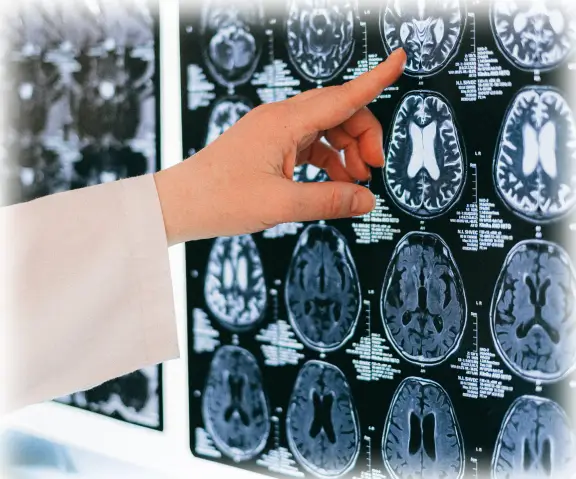
Neuroplasticity and Ketamine Therapy
Neuroplasticity refers to the brain's ability to reorganize itself by forming new neural connections throughout life. This dynamic process allows the brain to adapt to experiences, learn new information, and recover from injuries. Neuroplasticity involves changes in the strength and structure of existing synapses and the formation of entirely new synapses.

The Role of Ketamine in Neuroplasticity
Ketamine's impact on neuroplasticity is a key area of interest. The drug's ability to enhance synaptic plasticity, as mentioned earlier, suggests that it may play a role in promoting adaptive changes in the brain. This could be particularly relevant in the context of mental health, where conditions like depression may be associated with alterations in neural circuitry.
 Get Started Today!
Ketamine-assisted therapy combines the strengths of ketamine treatment and traditional psychotherapy, accelerating the healing process while ensuring ongoing support. As these modalities synergize, individuals can experience profound transformations, paving the way for a future where innovative healing methods continue to flourish.